.png)
Healing Beyond Words: Discovering the Transformative Power of Art Therapy for Trauma Integration
- Nerissa Morrison

- Apr 26
- 3 min read
Trauma often leaves wounds that words cannot fully express. Traditional talk therapy can be helpful, but sometimes the deepest pain hides in places language cannot reach. This is where art therapy steps in, offering a unique path to healing by engaging creativity and the senses. This post explores how art therapy can help integrate trauma, sharing insights and practical examples to understand its transformative power.
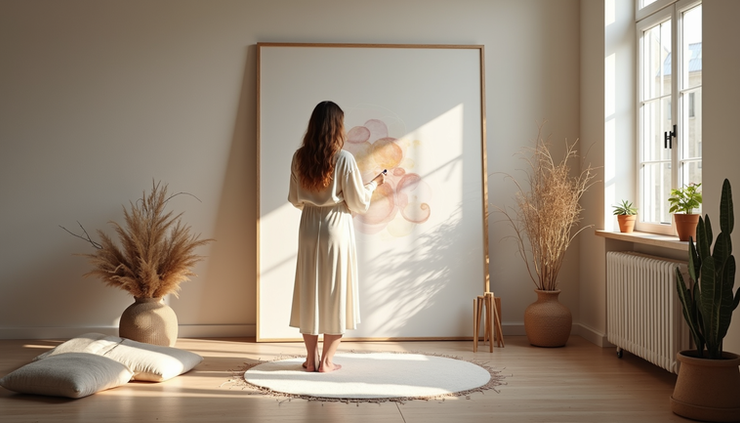
Understanding Trauma and Its Challenges
Trauma affects the brain and body in complex ways. It can disrupt memory, emotional regulation, and the sense of safety. Many people find it difficult to put traumatic experiences into words because the memories may be fragmented or too painful to verbalize. This can make traditional therapy feel limiting or overwhelming.
Trauma integration means bringing these fragmented parts together, making sense of the experience, and finding ways to live with it without being controlled by it. This process requires more than just talking; it needs a way to access emotions and memories stored beyond language.
What Is Art Therapy?
Art therapy uses creative processes like drawing, painting, sculpting, or collage to help people explore feelings, reconcile emotional conflicts, and foster self-awareness. It is guided by a trained art therapist who supports the individual in expressing themselves safely and meaningfully.
Unlike art as a hobby, art therapy focuses on the process rather than the final product. The goal is not to create a masterpiece but to use art as a tool for healing and communication.
How Art Therapy Helps Trauma Integration
Accessing Nonverbal Memories
Trauma often resides in the body and subconscious mind. Art therapy allows people to express these memories visually or physically, bypassing the need for words. For example, a person might paint chaotic, dark shapes to represent feelings of fear or confusion. This externalization can make the invisible visible, helping to process emotions that were previously locked inside.
Creating a Safe Space for Expression
Art therapy provides a controlled environment where individuals can explore difficult emotions at their own pace. The act of creating can be calming and grounding, reducing anxiety and helping to build trust in the healing process.
Encouraging Emotional Release and Regulation
Engaging in art can trigger emotional release, allowing feelings to surface in a manageable way. It also helps develop emotional regulation skills by providing a physical outlet for stress and tension.
Building a Narrative and Meaning
Through repeated art sessions, people can begin to build a story around their trauma. This narrative helps integrate fragmented memories and emotions into a coherent whole, which is essential for healing.
Personal Experience: Finding Healing Through Art Therapy
Many people who have experienced trauma report that art therapy helped them in ways traditional therapy did not. For example, one individual described how painting scenes from their childhood allowed them to reconnect with lost memories and feelings. This process helped them understand their reactions and begin to forgive themselves.
Another person found that sculpting clay gave them a sense of control and empowerment when words failed. The tactile experience grounded them in the present moment and reduced feelings of helplessness.
Practical Tips for Exploring Art Therapy
If you are considering art therapy for trauma integration, here are some helpful steps:
Find a qualified art therapist: Look for professionals with proper training and experience in trauma work.
Start with simple materials: Use pencils, crayons, or clay to begin. You don’t need to be an artist.
Focus on the process: Allow yourself to create without judgment or expectations.
Be patient: Healing takes time, and emotions may surface gradually.
Combine with other therapies: Art therapy can complement talk therapy or other healing methods.
Common Misconceptions About Art Therapy
You must be artistic: Art therapy is about expression, not skill.
It’s only for children: People of all ages can benefit.
It replaces talk therapy: It often works best alongside verbal therapy.
It’s just about making art: The focus is on emotional and psychological healing.
Research Supporting Art Therapy for Trauma
Studies show that art therapy can reduce symptoms of PTSD, anxiety, and depression. For example, a 2017 study published in the Journal of Trauma & Dissociation found that participants who engaged in art therapy reported significant decreases in trauma-related symptoms. The creative process helps regulate the nervous system and promotes resilience.


Comments